
Amboseli vs Masai Mara: Which Kenya Safari Should You Choose?
Quick Answer: Amboseli vs Masai Mara
Choose Amboseli National Park (392 km²) for iconic photography of Africa’s largest Super Tusker elephant herds with the snow-capped peak of Mount Kilimanjaro in the background and compact, relaxed 2-night safaris. Choose the Masai Mara (1,510 km²) for the Great Wildebeest Migration river crossings (July–October), higher apex predator density (lions, cheetahs, leopards), and expansive private conservancies. The ultimate classic Kenya safari combines 2 nights in Amboseli with 3–4 nights in the Masai Mara.
Amboseli vs Masai Mara: Side-by-Side Comparison
| Feature | Amboseli National Park | Masai Mara National Reserve |
|---|---|---|
| Signature Landscape | Open dust plains, acacia woodlands, lush subterranean swamps & Mt Kilimanjaro | Rolling golden savannas, Mara River gorges & Siria Escarpment |
| Signature Wildlife | 1,600+ habituated Super Tusker elephants, buffalo, cheetah, 400+ bird species | 1.5M migrating wildebeest, dense lion prides, cheetahs, leopards |
| Recommended Stay | 2 nights (compact, highly rewarding short safari) | 3 to 5 nights (extensive regional exploring & conservancies) |
| Flight Time from Nairobi | 35 to 40 minutes from Wilson Airport (WIL) | 45 to 55 minutes from Wilson Airport (WIL) |
| Price Range (pppn) | $450 – $1,800+ USD (Classic to boutique luxury) | $750 – $3,500+ USD (All-inclusive tented luxury) |
Amboseli National Park and the Masai Mara National Reserve are Kenya’s two most famous safari destinations — but they offer fundamentally different experiences. Amboseli is defined by its elephant herds and Kilimanjaro backdrop — intimate, iconic photography, and the world’s most studied elephant population. The Masai Mara is defined by the Great Wildebeest Migration (July–October), lion and cheetah in open savanna, and the greatest big cat concentration in Africa. Most Kenya safari itineraries of 7+ days combine both; shorter itineraries require a clear-eyed choice based on your wildlife priorities.
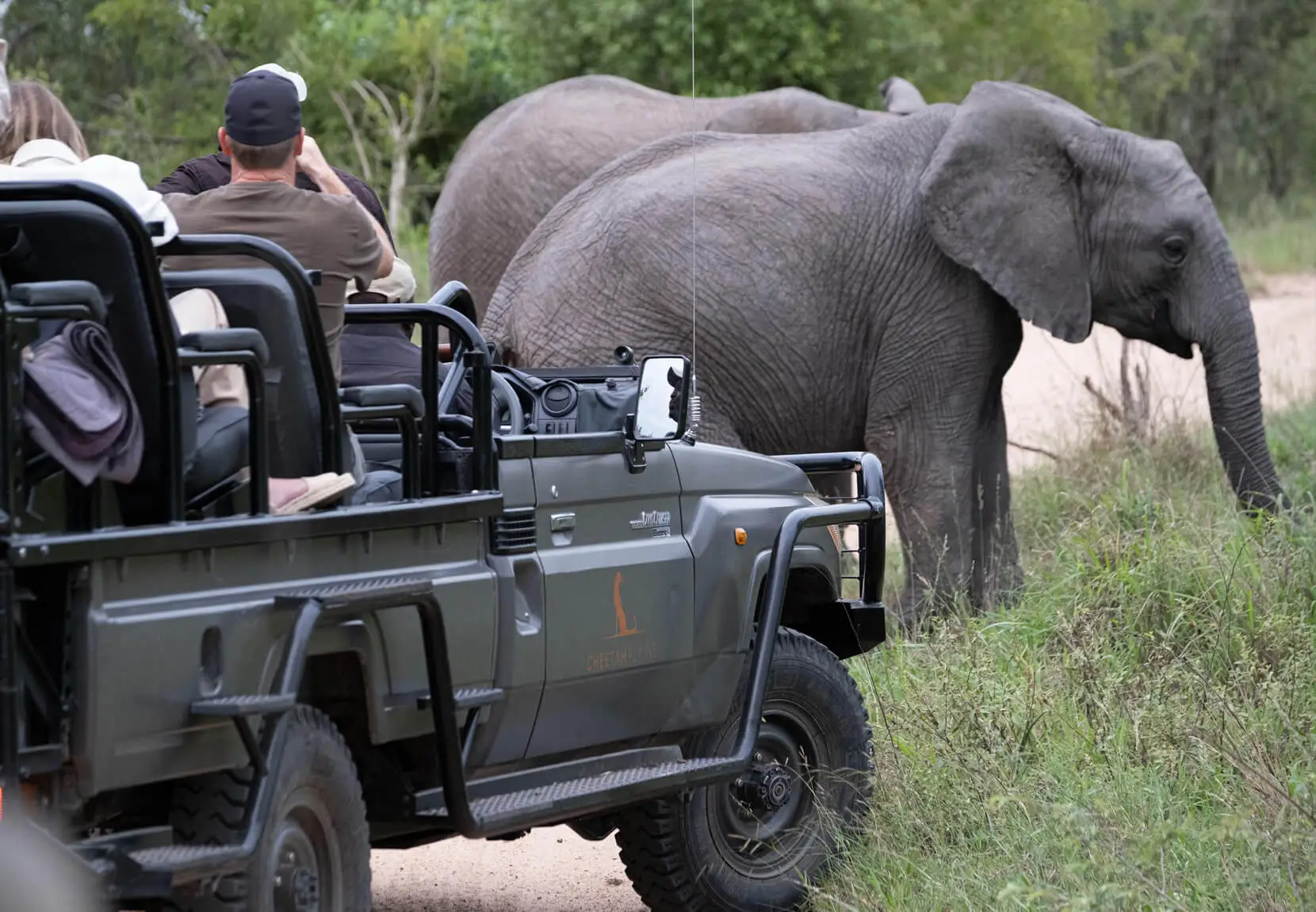
Amboseli vs Masai Mara: Which Should You Choose?
Choose Amboseli if: elephants (especially big-tusked bulls) and mountain photography are your priority; you prefer intimate, photographic wildlife encounters; or you’re visiting Kenya in the green season when the Mara’s wildebeest crossing is not happening. Choose Masai Mara if: you want the Great Wildebeest Migration experience (July–October), the highest big cat density in Kenya, or the classic East African plains landscape. Both are outstanding; the choice is about which wildlife story resonates more deeply with you.
Wildlife: Amboseli vs Masai Mara
Elephants
- Amboseli: Wins decisively. The world’s most researched elephant population, big tuskers, intimate access to family herds, and the Kilimanjaro backdrop. No other Kenya destination matches Amboseli for elephant quality and quantity.
- Masai Mara: Elephants are present but not the defining feature. Good general sightings; not comparable to Amboseli for dedicated elephant viewing.
Lion and Big Cats
- Masai Mara: Wins. The Mara’s famous prides are among the most-studied in Africa — the Marsh Pride, the Moniko Pride, and numerous others are tracked continuously. Lion density in the Mara ecosystem is among the highest in Africa. Cheetah are abundant on the open plains.
- Amboseli: Lion are present but the park is smaller and the open landscape concentrates prey (and predators) more limited. Good lion sightings are possible but not guaranteed — the Mara is far more consistent for big cat encounters.
Great Wildebeest Migration
- Masai Mara: The northern terminus of the migration. July–October sees 1.5 million wildebeest entering the Masai Mara from the Serengeti, with dramatic Mara River crossings. One of the world’s great wildlife spectacles — exclusive to the Mara ecosystem.
- Amboseli: No migration. Wildlife is present year-round but does not include the spectacular mass movement events of the Mara.
Photography
- Amboseli: Unique photography destination globally — elephant with Kilimanjaro. The dawn shot of a tusker against a cloud-free mountain is one of Africa’s most iconic wildlife photographs. Guaranteed photography opportunity regardless of season.
- Masai Mara: Outstanding landscape and wildlife photography — open plains, dramatic light, vast predator-prey interactions. Migration crossing photography (July–October) is among Africa’s most dramatic.
Best Time: Amboseli vs Masai Mara
- Amboseli: Best June–October (dry, clear skies for Kilimanjaro views) and January–February (short dry season). Year-round excellent for elephants.
- Masai Mara: Best July–October for the migration. November–June also excellent for resident wildlife and lion; green season has its rewards without the migration crowds.
Distance and Access
- Amboseli: 240 km from Nairobi — 2.5–3 hours by road or 45 minutes by charter flight
- Masai Mara: 270 km from Nairobi via Narok — 5–6 hours by road or 45–55 minutes by charter flight (Maasai Mara airstrips)
The Perfect Kenya Safari: Both
A Kenya safari of 8–10 days combining Amboseli (2–3 nights) with the Masai Mara (3–4 nights) covers both wildlife stories, both landscapes, and both iconic Kenya experiences. Connect by charter flight (approximately 1 hour Amboseli to Mara). This is the classic Kenya circuit that experienced safari designers recommend for first-time Kenya visitors.
Plan Your Kenya Safari
Our team designs Kenya safaris combining Amboseli and the Masai Mara — and can add Samburu, Lake Nakuru, or the Kenyan coast depending on your interests and available time. We know which lodges in both destinations deliver the best wildlife experiences and value.
Enquire Now to plan your Kenya safari — we’ll build the right Amboseli and Masai Mara combination for your travel dates.